News

Spring Awakens Across Europe!

Spring Awakens Across Europe! Europe is about to burst into color as the first blossoms of spring arrive.  From delicate cherry blossoms in Paris  (late March to mid-April) to the vibrant magnolias of Berlin  (peaking in April), each region has its own blooming magic. What to watch for:• Cherry Blossoms (Prunus serrulata): Late March – April. Don’t miss the stunning sakura tunnels in Bonn, Germany!• Magnolia Trees (Magnolia soulangeana): March – April. Catch them in full bloom at London’s Kew Gardens. Magnolias are typically grown for their ornamental value, thriving in slightly acidic, well-drained soils. Their early flowers support pollinators like beetles emerging from winter.• Horse Chestnut Trees (Aesculus hippocastanum): Flowering in May, with their tall candle-like blossoms. Known for their tall “candlestick” flowers and their nuts (conkers), which are not edible for humans but are sometimes used in traditional medicine. The nectar-rich flowers are important for bees early in the season.• Linden Trees (Tilia cordata): Their sweet-scented flowers bloom around June in many European cities. These trees are also significant for honey production—bees go crazy for them!• Ecological benefit: Linden trees are biodiversity hotspots, supporting pollinators and insects throughout the season.• Apple & Pear Trees (Malus & Pyrus): Orchards across Europe come alive with blossoms from April to May

Spring Awakens Across Europe! Read More »

Sakura Blossoms & Crop Health: An Agriculture Perspective

Sakura Blossoms & Crop Health: An Agriculture Perspective As beautiful as Sakura blossoms are, they also remind us of the delicate balance within agriculture — where every season brings new challenges and opportunities.  Crop Disease Awareness: In agriculture, just like with cherry blossoms, managing plant health is crucial. Sakura trees, while resilient, can also be susceptible to fungal diseases like Coryneum blight and powdery mildew. This highlights the importance of monitoring crops for diseases and adopting sustainable practices to protect plant health.  Did You Know? Just as farmers track the blooming of Sakura as a sign of season change, early disease detection in crops — whether it’s in cherry orchards or other agricultural fields — can significantly improve yields and reduce the impact of pests or disease outbreaks. Early intervention is key!  Whether it’s the cherry blossoms or food crops we rely on, agriculture requires constant care and knowledge. Understanding disease prevention, using the right treatments, and maintaining biodiversity are all part of a healthy farming ecosystem. 

Sakura Blossoms & Crop Health: An Agriculture Perspective Read More »

Almond Blossoms: A Winter Miracle! 

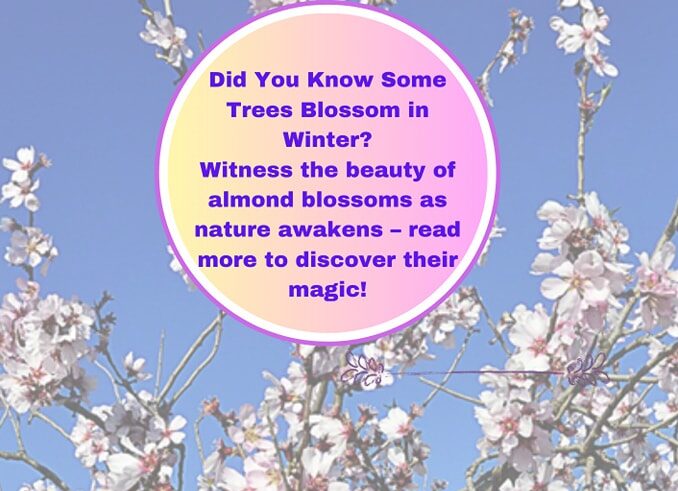
Almond Blossoms: A Winter Miracle! While winter is often associated with barren trees and frosty landscapes, some trees defy the cold and burst into bloom!   The almond tree, one of the first to blossom in late winter, transforms fields into dreamy pink and white wonderlands, signaling that spring is just around the corner.  Other Winter Blooming Trees & Their Magic:  Cherry Plum (Prunus cerasifera) – Delicate white-pink flowers brighten up the winter landscape.  Witch Hazel (Hamamelis) – Its unique, spidery yellow flowers thrive in the cold. But why do these trees bloom so early? Almond and other winter-blooming trees take advantage of milder winter days, attracting early pollinators and ensuring their survival before competition from spring flowers begins.

Almond Blossoms: A Winter Miracle!  Read More »

Snow-Covered Trees: A Winter Wonderland or a Farmer’s Challenge?

Snow-Covered Trees: A Winter Wonderland or a Farmer’s Challenge? Snow-draped trees create breathtaking winter landscapes, but have you ever wondered what that same snow means for crops? While some plants benefit from a natural “blanket” of snow, others struggle to survive the cold.  The Good:  Insulation Effect – A layer of snow can act as a protective blanket, preventing the ground from freezing too deeply and shielding winter crops like wheat and rye.  Moisture Boost – When snow melts, it provides essential water to the soil, helping early spring growth.  The Challenges:  Heavy Snowfall Damage – The weight of accumulated snow can crush delicate plants and break tree branches.  Cold Stress – If snow comes too early or too late in the season, it can harm crops that aren’t winter-hardy.  Delayed Growth – A prolonged snow cover in spring can slow down planting and reduce yields. Winter’s beauty comes with its own set of challenges for agriculture. Farmers must adapt by choosing resilient crops and using protective techniques to keep their harvests safe

Snow-Covered Trees: A Winter Wonderland or a Farmer’s Challenge? Read More »

Botrytis Cinerea Alert!

Botrytis Cinerea Alert! Are your grapevines showing signs of gray mold? You could be facing Botrytis cinerea, a common fungal infection that affects grapes, especially in wet and humid conditions. Here’s what you need to know!  What is Botrytis Cinerea?Also known as gray mold, this fungus thrives in damp, cool environments. It infects grape clusters, causing a fuzzy gray mold to develop on the berries. In severe cases, it can spoil entire harvests!  Symptoms of Botrytis Cinerea:• Gray, fuzzy mold covering grape berries• Wrinkled, shriveled, or rotting grapes• Discoloration or soft spots on affected berries  How It Spreads:The spores spread through rain, wind, and high humidity, especially during late-season periods when the grapes are ripening. How to prevent Botrytis infections:1. Good Airflow: Space out your vines and prune to improve air circulation and reduce humidity.2. Water Management: Avoid overhead irrigation and ensure proper drainage to keep grapes dry.3. Harvest on Time: Pick grapes as soon as they ripen to avoid late-season infections. Don’t let gray mold spoil your grape harvest! Take action early to keep your vineyard healthy and thriving.

Botrytis Cinerea Alert! Read More »

Peach Leaf Curl Alert!

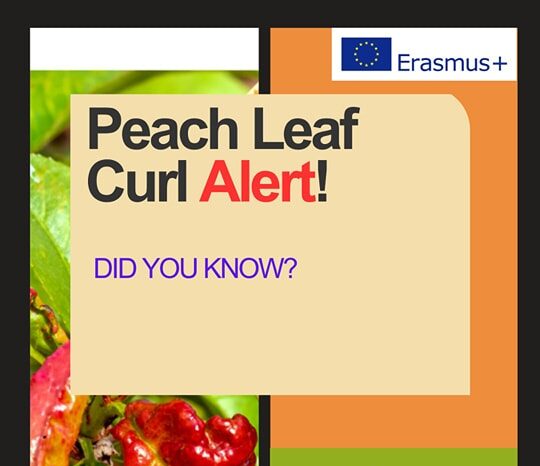
Peach Leaf Curl Alert! Are your peach tree leaves curling, turning red, or dropping prematurely? You might be dealing with a fungal disease caused by Taphrina deformans! Here’s what you need to know   What is Taphrina Deformans?It’s the fungus responsible for peach leaf curl, a common problem in peach trees, as well as nectarines and almonds. The fungus causes leaves to deform, discolor, and sometimes fall off early, weakening your tree.  Symptoms to Look For:• Curled, puckered, or blistered leaves• Yellow or reddish color changes• Premature leaf drop• Reduced tree growth  How it Spreads:The fungus overwinters on buds and infects new leaves in the spring through spores carried by rain or wind.  How to Prevent infections on Your Trees:1. Prune & Clean Up: Remove infected leaves and branches to reduce spores.2. Choose Resistant Varieties: Go for peach varieties resistant to the disease.3. Improve Air Circulation: Prune trees to allow better airflow.4. Avoid Overhead Watering: Reduce conditions that spread spores. Don’t let peach leaf curl take over!  Keep your trees healthy and thriving by taking action early!

Peach Leaf Curl Alert! Read More »

“Sustainable Farming: How Smart Practices Can Protect Crops, Farmers, and Our Planet!

“Sustainable Farming: How Smart Practices Can Protect Crops, Farmers, and Our Planet! The future of farming is smart, sustainable, and tech-driven! With the world’s population growing, the pressure is on farmers to produce more food — but in an eco-friendly way. Crop diseases add to this challenge, threatening food security and economic stability. The Problem:Pests and diseases are adapting to changing climates, making it harder for farmers to predict and prevent them.Higher temperatures and humidity are ideal breeding grounds for pathogens, which is why sustainable, climate-resilient farming is critical.Without proper prevention tools, farmers face growing financial burdens and harvest losses. The Solution:E-Learning for Farmers: Digital platforms are empowering farmers with knowledge on how to identify and treat crop diseases. Learning from experts in agriculture, participants gain skills they can apply directly on their farms.Eco-Friendly Practices: Organic fertilizers and natural disease-prevention methods are helping to reduce the need for chemical treatments, supporting healthier soil and cleaner water. Global Collaboration: International partnerships are working together to design new methods, share resources, and develop practical tools for small-scale and large-scale farmers alike. Why It Matters Sustainable farming is no longer an option — it’s a necessity. Protecting crops from diseases while promoting eco-friendly farming practices benefits everyone:Our Planet: Less pesticide use means healthier soil and water.Our Farmers: Healthy crops mean more stable incomes for farmers.Our Food: Safer, cleaner, and fresher food for all of us. Get Involved! Want to learn about the future of farming, from e-learning tools to the latest disease prevention techniques? Follow us for updates on smart agriculture innovations that are changing the way the world grows food.

“Sustainable Farming: How Smart Practices Can Protect Crops, Farmers, and Our Planet! Read More »

Fighting Hidden Enemies: Why Early Detection of Crop Diseases Matters More Than Ever!

Fighting Hidden Enemies: Why Early Detection of Crop Diseases Matters More Than Ever! Crop diseases are a silent threat to food security and sustainable agriculture. From fungal infections to bacterial blight, these invisible enemies can devastate harvests and drive up food prices. Did you know? 20-40% of global crop production is lost annually due to pests and diseases. The fruit and vegetable industry is especially vulnerable, with diseases like mildew and rot impacting freshness and shelf life. Early detection and rapid identification of diseases can reduce losses by up to 50%, according to agricultural research reports. So, what can be done? 1. Digital Tools: New tech like AI-powered detection apps and E-learning platforms are teaching farmers how to spot diseases early. 2. Training Farmers: Knowledge-sharing and hands-on training sessions are essential to help farmers stay ahead of potential outbreaks. 3️. International Cooperation: Projects like those funded by Erasmus+ bring together experts, researchers, and educators to create solutions at a global level. The Bigger Picture: Food safety depends on early action. The earlier we identify and treat diseases, the fewer pesticides we need, and the healthier our food remains. Farmers equipped with the right knowledge and tools can safeguard crops, protect local economies, and ensure a stable food supply. Want to learn more? Follow us for upcoming resources on identifying crop diseases and practical solutions for farmers. Together, we can build a sustainable food future.

Fighting Hidden Enemies: Why Early Detection of Crop Diseases Matters More Than Ever! Read More »

Work Package #3 Update: Development of Educational Materials

Work Package #3 Update: Development of Educational Materials We’re excited to share that all chapters of the educational materials in English have been completed! Now, our team is focused on translating this essential content into the local languages of our partner countries. This step is key to make these resources accessible and impactful for stakeholders across our network. Why is this important?The educational materials produced in Work Package 3 play a critical role in our project’s main goal: to provide the fruit-growing sector with tools and knowledge to identify crop diseases and understand their causes. These resources will empower farmers and packinghouses’ staff, offering valuable insights into disease identification, causes, and prevention methods.Once finalized, the materials will be available on a user-friendly E-learning platform. This platform will serve as a central hub, hosting the educational content in English, Polish, Greek, Italian, and Bulgarian. What’s next?Our team is working hard to complete the translation and integration process, and we look forward to launching the E-learning platform soon! We’re also preparing to train partners on using the platform so they can further support their stakeholder networks.Thank you for following our journey – stay tuned for more updates.

Work Package #3 Update: Development of Educational Materials Read More »

Educational materials for the KICRO project!

Educational materials for the KICRO project! Exciting times as we continue working on the educational materials for the KICRO project! These days, we’re diving into translating chapters about different fruits, ensuring that knowledge is accessible to all! Each chapter is full of fascinating details about the importance of fruits in our diet and sustainable farming practices. Some info about raspberry from its chapter: Raspberries (Malus x domestuca Borkh) are shrubs with tasty and healthy fruits eaten raw or as preserves. Their health-promoting properties are due, among other things, to the presence of anthocyanins – the components that give the fruit its red or purple colour. Anthocyanins have antioxidant and anti-inflammatory properties. Raspberries are most commonly used to make juices and jams or eat fresh fruit, e.g., in desserts. Recent studies have shown that they also have anti-cancer effects, and the fibre they contain reduces sugar and cholesterol levels. Raspberries are also a source of vitamin C, which is necessary for forming collagen, which forms connective tissue, improves wound healing fracture regeneration, protects against bleeding and bruising, stimulates the immune system, and facilitates the fight against pathogenic microorganisms. Raspberries are shrubs that like a sunny position, but they also do well in partial shade. When choosing a variety, it is worth paying attention to when the bush bears fruit. The range of fruiting times between different raspberry varieties can vary – from spring to autumn. There are also differences in fruit colours. Red is the most popular, but yellow and black can also be found. The biggest problem in raspberry cultivation is stem blight, usually caused by a complex of pathogens. Stay tuned for more updates!

Educational materials for the KICRO project! Read More »